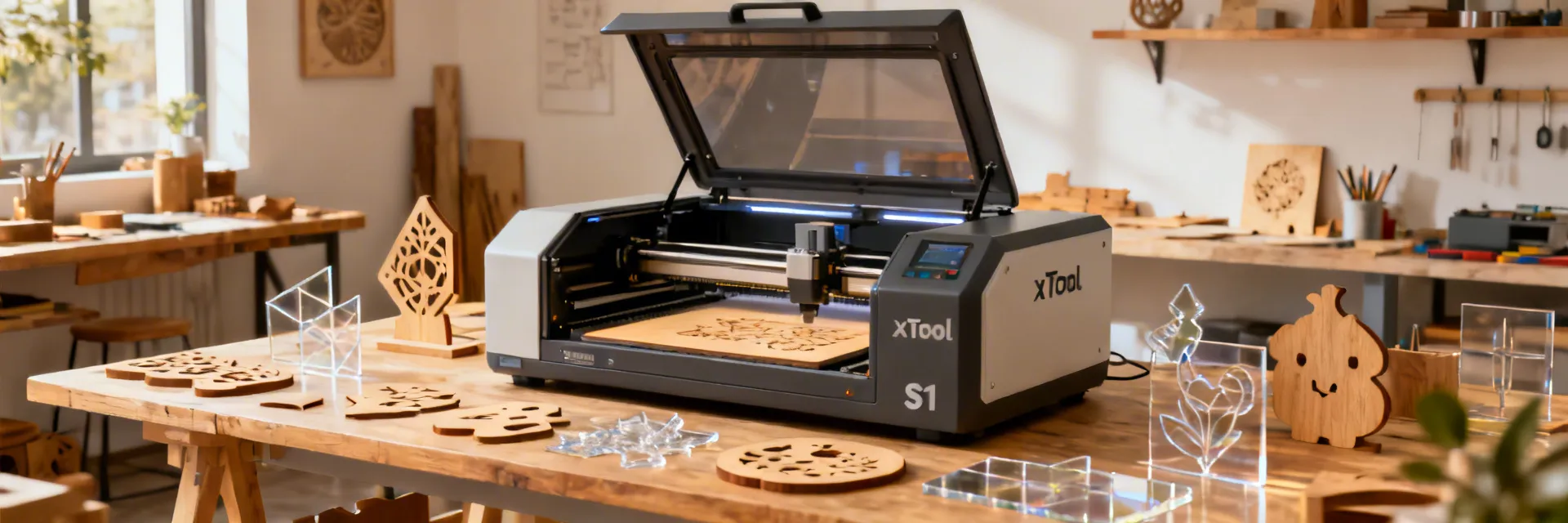
xTool S1 Enclosed Diode Laser Engraver & Cutter
Create with confidence. The xTool S1 pairs a 40W diode laser with a fully enclosed, Class 1 safe design so you can engrave and cut over 300 materials right on your desktop.
Create with confidence. The xTool S1 pairs a 40W diode laser with a fully enclosed, Class 1 safe design so you can engrave and cut over 300 materials right on your desktop.
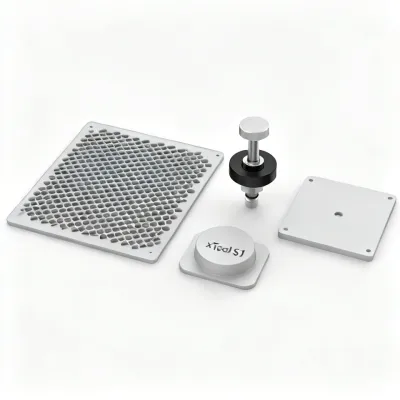
From high-power cutting to precision metal marking, find the module that fits your workflow.
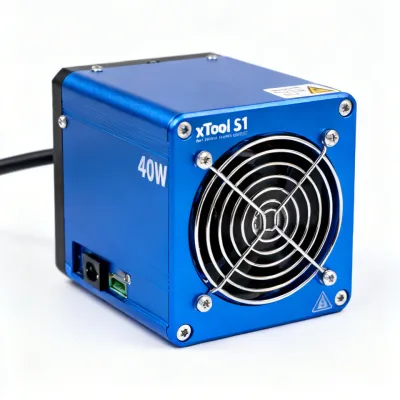
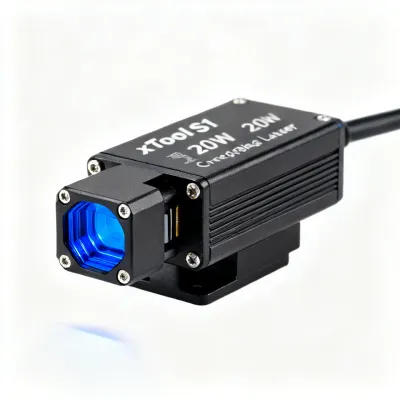
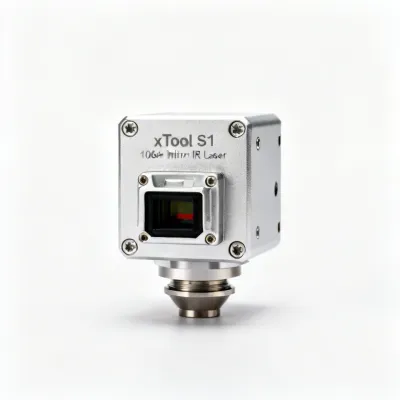
Whether you run a craft shop, teach in a makerspace, or prototype products, the xTool S1 fits right in.
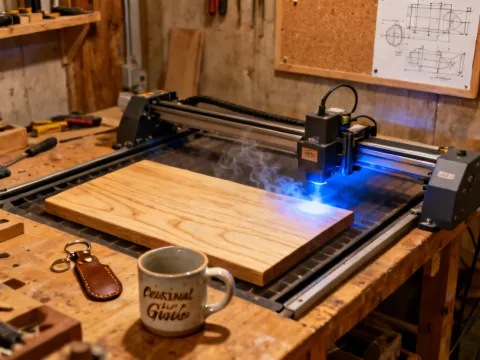
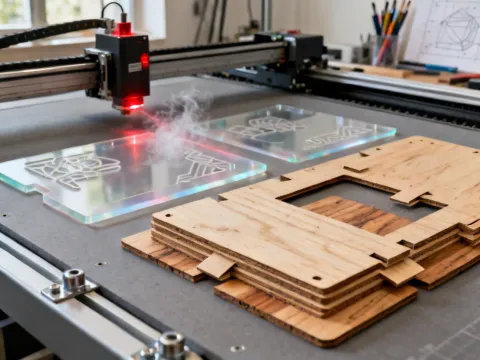
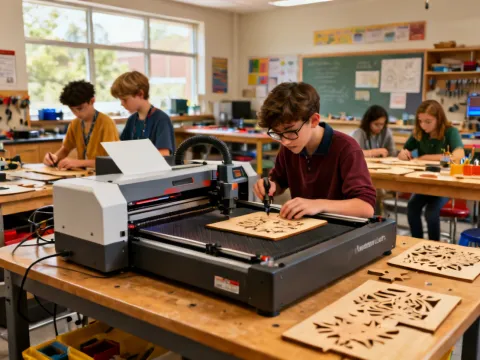
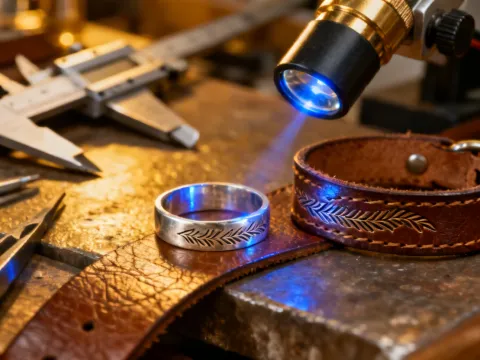
Four reasons the xTool S1 stands apart from other desktop lasers.
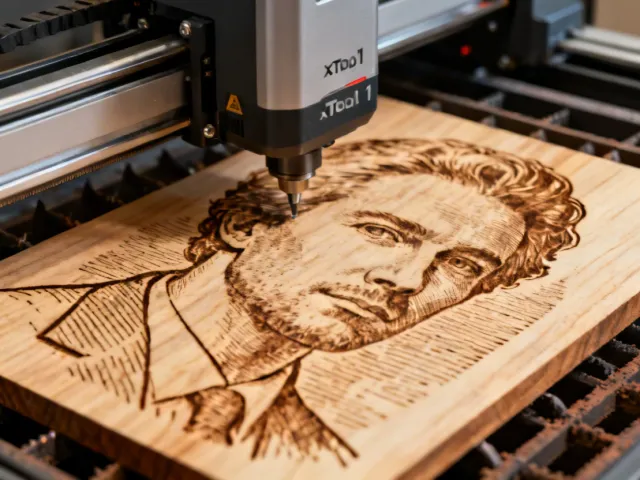
The xTool S1 delivers positioning accuracy down to plus or minus 0.01mm, giving you sharp edges and fine detail on every material. Whether you are personalizing a gift or prototyping a product run, the results look exactly like your design file.
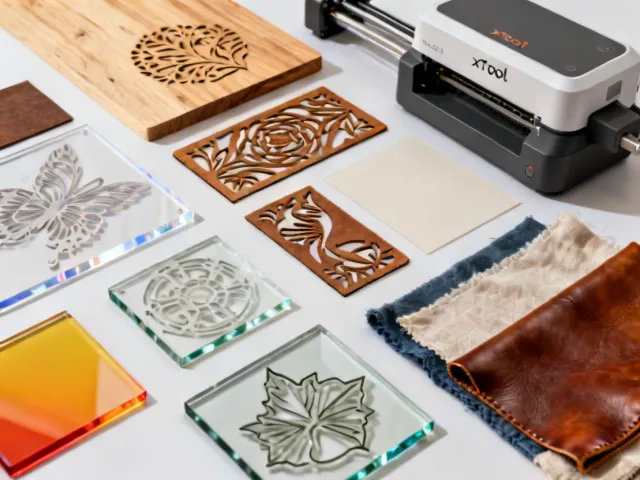
The enclosed 40W diode laser cuts and engraves over 300 material types out of the box. Swap in the 1064nm infrared module and you extend into stainless steel and brass. Built-in material presets save you from guesswork.
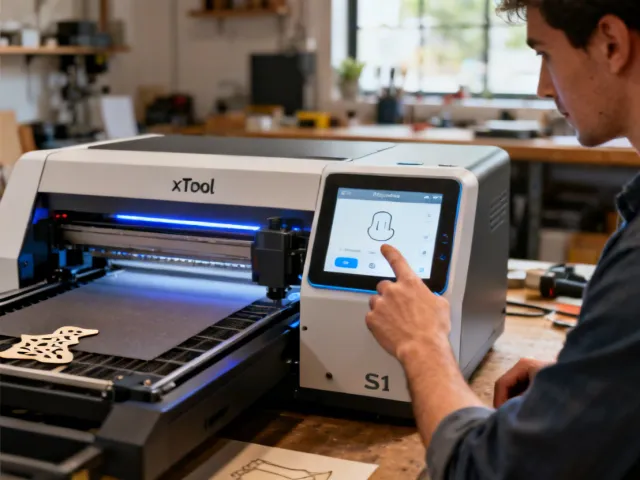
A touchscreen interface, guided workflows, and pre-loaded material settings mean most users run their first job within an hour of unboxing. Air assist and autofocus handle the technical details so you focus on the creative ones.
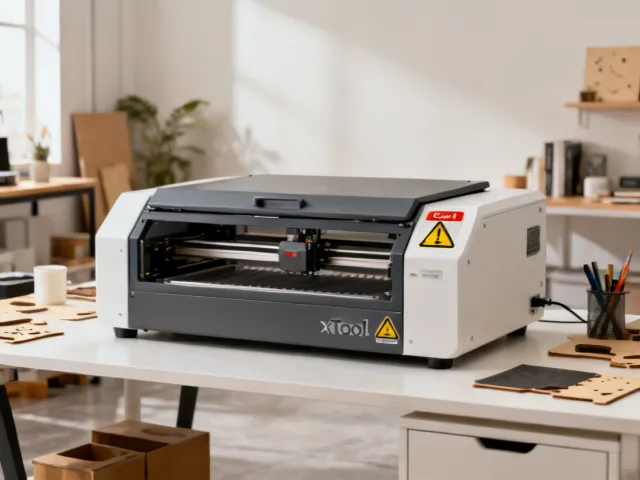
The sealed enclosure contains laser light, fumes, and debris. A built-in exhaust port connects to ventilation, and the lid interlock stops the laser the moment the door opens. CE certified and ready for shared workspaces.
Thousands of creators rely on the xTool S1 every day. Here is what a few of them told us.
Quick answers to the questions we hear most often about the xTool S1.
The xTool S1 uses a 455nm diode laser. Diode lasers excel at engraving wood, leather, and anodized metal with fine detail, and they require almost no optical alignment. CO2 lasers (10,600nm wavelength) cut clear acrylic and thick plywood faster because the longer wavelength is absorbed more efficiently by those materials. If your primary work is cutting thick transparent acrylic or non-metals above 10mm, a CO2 machine may be more efficient. If you do a mix of engraving and cutting across many material types, the diode approach offers broader versatility at a lower maintenance cost. Our sales engineers can help you evaluate the trade-offs based on your specific product mix.
The 455nm diode wavelength passes through clear glass and transparent plastics without interaction, so the S1 cannot cut those materials (it can surface-engrave opaque glass). PVC and vinyl must never be processed because the laser releases chlorine gas, which is toxic and corrodes machine internals. Highly reflective bare metals like polished aluminum bounce the beam and produce inconsistent marks; use the IR module for bare metals instead. Thick materials beyond 10mm generally require multiple slow passes, which increases char and reduces edge quality.
Yes. The 40W module cuts clear and colored acrylic up to 10mm thick in a single pass with clean, polished edges. Black and colored acrylic absorb the 455nm wavelength well, so cuts are cleaner. Clear (transparent) acrylic is more difficult for diode lasers and may need slower speeds and extra passes compared to a CO2 laser cutting the same piece. Use the built-in air assist and the recommended speed and power preset for consistent results.
The standard work area is 596 x 388mm (about 23.5 x 15.3 inches). With the optional riser base and passthrough slots, you can feed longer materials through the machine for continuous engraving. This bed size is adequate for most craft, small-batch, and prototyping work. If you regularly cut full 4x8-foot sheets, you would need an industrial gantry-style cutter instead.
The fully enclosed design meets Class 1 laser safety standards (IEC 60825-1), meaning the laser beam is completely contained during operation. An exhaust port connects to external ventilation or a compatible air purifier to handle fumes. Note that while the enclosure blocks laser light, you still need adequate ventilation or an air filtration unit to remove particulates and VOCs generated during cutting, especially when processing acrylic, MDF, or leather.
The diode laser module is rated for roughly 10,000 hours of active use before output power drops noticeably. There are no consumable gas tubes to replace (unlike CO2 lasers, which typically need a tube swap every 2,000-8,000 hours depending on quality). Main maintenance tasks include lens cleaning every 8 to 10 hours of cutting, honeycomb tray replacement every 6-12 months with heavy use, and periodic belt tension checks. Replacement lens kits cost approximately $15-25 each.
Tell us about your project and we will help you pick the right xTool S1 configuration. Free quotes, no pressure.